How Ghanaian Startups Can Prepare for Institutional Funding in 2026
A pragmatic blueprint for founders navigating venture capital, development finance institutions (DFIs), and blended finance syndicates across Ghana and West Africa.
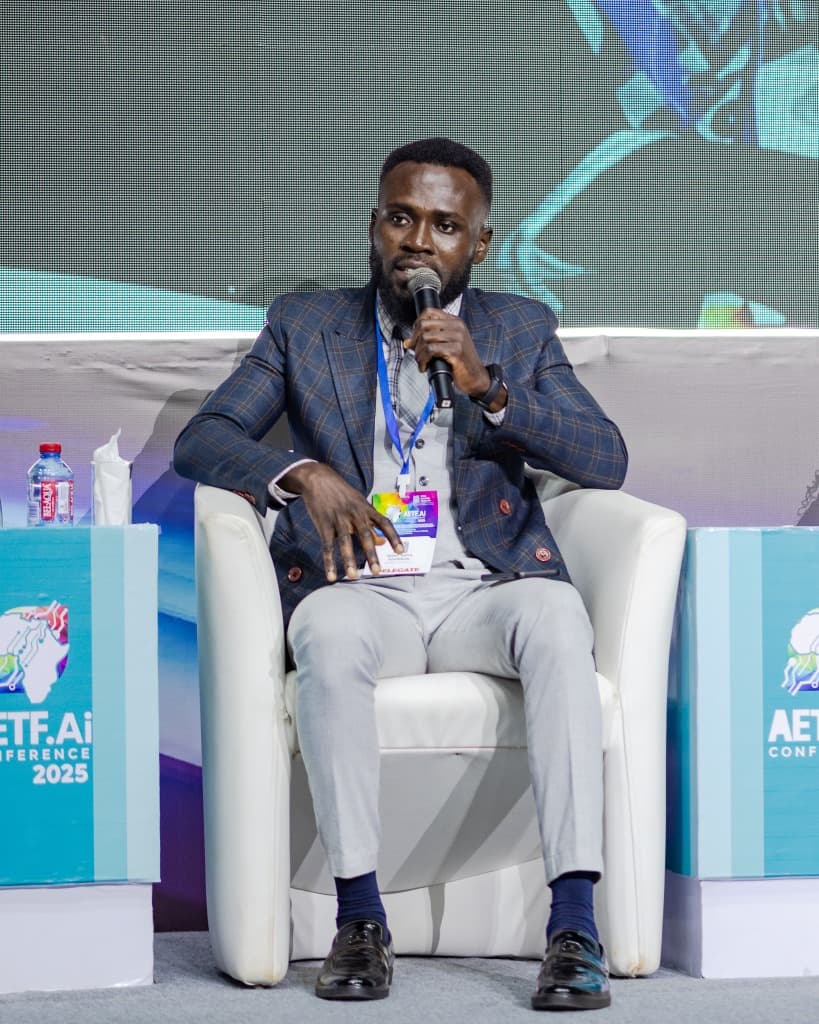
Isaac Agya Koomson
Chief Executive Officer, KIA–Start Up Consult Ltd
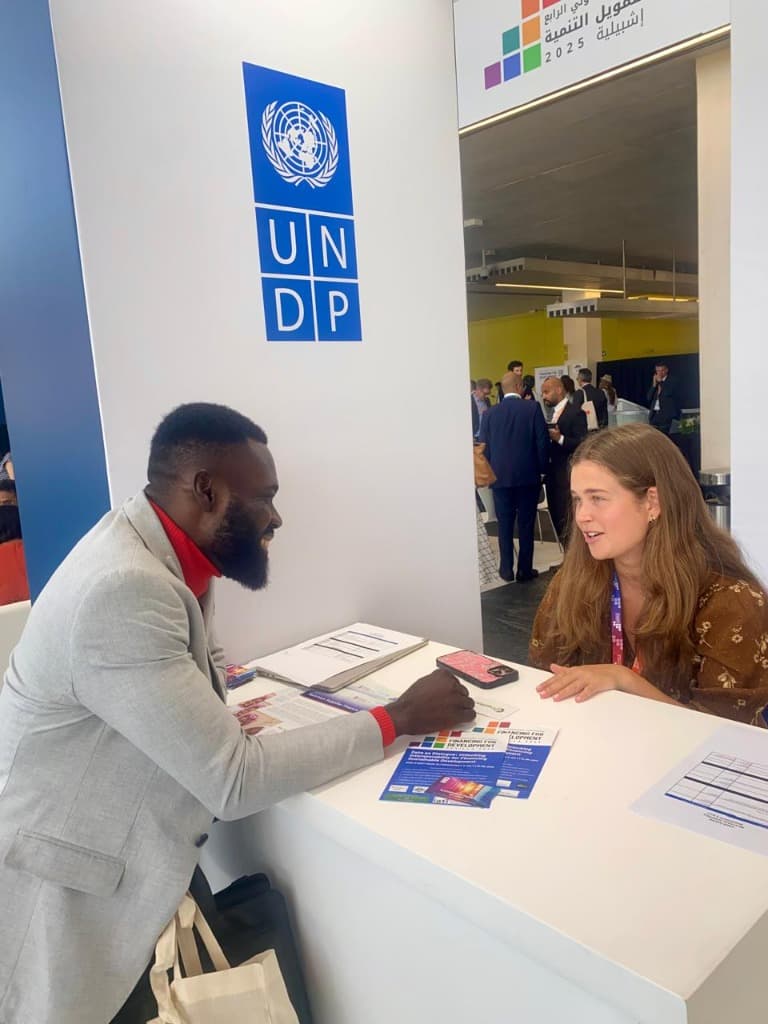
Isaac Agya Koomson engaging institutional partners and capital allocators on SME investment pipelines.
The era of unvetted startup exuberance and subsidized seed capital is over. In 2026, international venture capital firms, African family offices, and Development Finance Institutions (DFIs) have drastically tightened their underwriting criteria across West Africa. For Ghanaian startups, securing institutional investment—whether equity, senior debt, or mezzanine capital—demands institutional discipline long before entering a boardroom. Capital does not chase charisma; it flows to governed, derisked economic vehicles.
1. The Due Diligence Reality Check: Why 90% of Deals Stall
Most early-stage founders in Accra attribute failed funding rounds to macroeconomic headwinds or risk aversion. In reality, over 90% of funding conversations collapse during phase-two confirmatory due diligence. The primary failure point is financial hygiene: commingled founder accounts, informal supplier agreements, absence of audited financial statements, and undocumented intellectual property.
Institutional investors look through standard accounting frameworks. If a startup cannot produce three years (or trailing 24-month) reconciliations prepared under International Financial Reporting Standards (IFRS) or recognized national accounting standards, serious capital providers disengage immediately.
“Investors do not fund projections; they fund evidence of governance, unit economics, and operational integrity.”
2. Statutory Corporate Governance Under Companies Act 2019 (Act 992)
In Ghana, institutional readiness begins at the Office of the Registrar of Companies (ORC). A venture seeking external equity cannot operate under informal sole proprietorships or outdated company articles. Act 992 mandates robust governance protocols: an independent board structure, a resident Ghanaian director, a licensed Company Secretary, and transparent beneficial ownership disclosures.
Furthermore, early cap table hygiene is critical. Founders who surrender 40% of their equity to passive advisors or friends in pre-seed stages render their ventures un-investable for tier-one funds. Cap tables must preserve sufficient equity for future funding series and employee option pools (ESOPs).
3. Unit Economics in Volatile Macro Environments
Institutional investors assessing Ghanaian startups in 2026 rigorously scrutinize foreign exchange resilience and customer unit economics. With local currency fluctuations, dollar-denominated burn rates that fail to produce cash-flow positive unit economics are red flags.
Startups must clearly demonstrate Customer Acquisition Cost (CAC), Lifetime Value (LTV), monthly churn, and Gross Margin profiles that remain solvent under local inflation scenarios. A company generating sustainable Cedis with positive operating margins is far more attractive than a high-burn startup pursuing subsidized vanity metrics.
4. Building an Institutional Data Room Before Raising
An investment-ready startup maintains a dynamic, secure virtual data room (VDR) organized into five core pillars: Corporate & Legal (incorporation certificates, regulations, board minutes), Financial (audits, tax clearance, financial model), Commercial (client contracts, pipeline data, unit economics), Technical & IP (patents, software architecture, data security), and People (employment contracts, ESOP documentation).
Through HopeFusion Africa™, KIA–Start Up Consult works alongside Ghanaian founders to construct, stress-test, and syndicate this institutional architecture before pitching to international capital networks.
- Financial hygiene and IFRS-aligned reporting are non-negotiable prerequisites for institutional capital.
- Corporate governance under Act 992 protects investor rights and eliminates red flags during confirmatory due diligence.
- Sustainable unit economics and local currency margin defense outperform high-burn vanity growth models in 2026.
- A pre-assembled, fully audited virtual data room reduces deal closing timelines from 9 months to under 90 days.
People Also Ask
Q1.What do institutional investors look for in Ghanaian startups in 2026?
Institutional investors evaluate five key factors: audited financial statements, a clean cap table with proper governance under Act 992, proven unit economics with healthy LTV:CAC ratios, macroeconomic/FX resilience, and an addressable market scale across West Africa or AfCFTA corridors.
Q2.How much funding can an early-stage startup raise in Ghana?
Seed-stage Ghanaian startups typically raise between $50,000 and $500,000 from local angel syndicates and regional funds. Pre-Series A and Series A rounds generally range from $1,000,000 to $5,000,000, increasingly structured through blended finance combining equity, concessional debt, and technical assistance grants.
Q3.Why do most Ghanaian startups fail investor due diligence?
The top three reasons for due diligence failure are: commingled personal and corporate funds, missing or non-compliant annual filings with the ORC, and informal contracts with co-founders or key clients that lack legal enforceability.
Q4.What legal structure is required to raise venture capital in Ghana?
Venture capital requires a Private Company Limited by Shares incorporated under the Companies Act 2019 (Act 992). For international venture capital syndicates, holding company structures in recognized jurisdictions (paired with a Ghanaian operating subsidiary) are also common.
Q5.How does KIA–Start Up Consult help startups become investment-ready?
Through HopeFusion Africa™ and our Capital & Financial Advisory practice, KIA restructures accounting systems, cleans cap tables, drafts institutional pitch decks and financial models, and coordinates direct introductions to vetted investor networks across Africa and Europe.
Have a question or looking to implement this strategy?
Our partners and sector specialists are available for direct discussion on WhatsApp. Every conversation is tailored to your business or institutional context.
From Ideation to Investment Readiness: A Blueprint for Ghanaian Startups
Why 90% of pitch decks fail to secure capital, and the foundational disciplines Ghanaian founders must master before approaching institutional investors.
Financing the Next African Economy: Blended Capital & Green Growth
How blended finance, catalytic philanthropy, and impact investment can bridge the $330B SME financing gap across sub-Saharan Africa.
The Missing Architecture: Why African Enterprise Needs Systems, Not Just Training
Africa does not lack entrepreneurial talent or vibrant ideas. It lacks the integrated economic architecture that connects skills to enterprise, enterprise to capital, and capital to sustainable productivity.